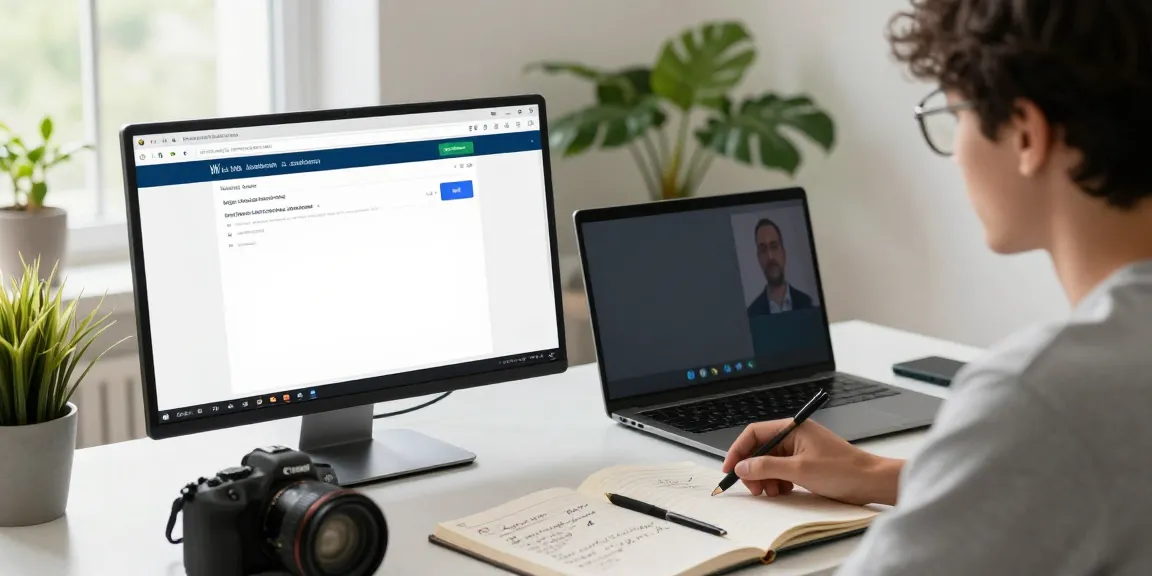
Understanding Remote Exam Help
Definition and Importance
Remote exam help refers to the assistance provided to students during their online examinations. This can encompass a variety of services, including tutoring, resource access, and technical support, all aimed at helping students succeed in virtual assessments. The importance of remote exam help has surged due to the increasing prevalence of online education, where traditional in-person examinations have shifted to virtual platforms. This transition necessitated new methods of support to ensure students can perform at their best, regardless of location.
Benefits of Remote Exam Help
There are numerous benefits to utilizing remote exam help. First and foremost, it offers flexibility. Students can receive assistance tailored to their schedules, which is ideal for those balancing multiple responsibilities. In addition, remote exam help allows for personalized learning experiences, as tutors can adjust their approaches based on the students' specific needs and learning styles. Moreover, leveraging remote exam help can also foster a collaborative environment where students share resources and study strategies with peers. This collaborative nature can lead to better understanding and retention of material, thereby enhancing student performance in exams.
Common Challenges Faced
Despite its numerous advantages, remote exam help is not without challenges. One major issue is the lack of face-to-face interaction, which can hinder rapport-building between students and tutors or peers. Furthermore, technical issues such as unstable internet connections, software glitches, or unfamiliarity with technology may disrupt the testing experience. Additionally, the self-discipline required for remote studying can be daunting for some students, leading to distractions in their home environments and ultimately affecting exam performance. Understanding these challenges is the first step towards overcoming them and maximizing the effectiveness of remote exam help.
Essential Tools for Remote Exam Help
Technology Platforms Overview
Effective remote exam help begins with the right technology platforms. Various online tools serve different purposes in aiding students during their exams. Learning Management Systems (LMS) like Canvas or Moodle provide centralized access to course materials and assessments, while communication platforms such as Zoom and Microsoft Teams facilitate real-time engagement between students and instructors. These platforms are essential for maintaining a structured learning environment, with features such as video conferencing, chat functions, and file sharing that enhance the remote examination process.
Collaboration Tools and Resources
In addition to LMS, collaboration tools such as Google Drive and Trello empower students to work together seamlessly. Google Drive allows for document sharing, editing, and cloud storage, making it easy for students to collaborate on group projects or revise study materials together. Trello can help organize tasks and allocate study schedules within groups, enhancing accountability and track progress towards common goals. These resources not only facilitate collaboration but also encourage peer support, which is crucial during exam preparation.
Effective Communication Methods
Communicating effectively in a remote exam setting is pivotal for success. Students should be encouraged to establish clear communication channels with their peers and online assistants to clarify doubts regarding exam content or technical issues. Utilizing tools like Slack or Discord for ongoing chats can maintain a steady line of communication, where quick questions and answers can be exchanged without the delay of email. Additionally, setting specific times for real-time discussions can help enhance understanding and keep students motivated.
Strategies for Successful Remote Examination
Time Management Techniques
Managing time effectively is crucial when preparing for remote examinations. Students should develop a comprehensive study schedule that outlines specific goals for each study session. The Pomodoro Technique is particularly effective, encouraging focused work periods followed by short breaks to maintain concentration and stave off fatigue. By setting clear timelines and deadlines for completing study goals, students can enhance their time management skills and reduce stress as exam day approaches.
Study Techniques for Remote Exams
Different study techniques can be employed to prepare effectively for remote exams. Active recall and spaced repetition are two scientifically-backed methods that have proven to be highly effective. Active recall involves testing oneself on the material instead of passively reviewing content, which improves retention. Spaced repetition allows students to revisit material at increasing intervals to reinforce memory. Additionally, creating visual aids, such as mind maps or infographics, can help in retaining complex information by presenting it in a more digestible format.
Creating a Productive Study Environment
A conducive study environment is vital in optimizing performance during remote examinations. Students should find a quiet, well-lit space free from distractions. Organizing study materials and having necessary resources at hand increases efficiency. Furthermore, maintaining a comfortable ambiance, such as adjusting lighting and minimizing noise, can positively influence focus and productivity. Establishing a routine that mimics a traditional classroom setting can also aid in building a mindset geared towards learning.
Best Practices for Remote Exam Help
Guidelines for Effective Collaboration
When collaborating with others for remote exam help, following established guidelines can enhance effectiveness. Students should agree on common goals, clearly define roles, and establish deadlines for contributions. Regular check-ins to assess progress can prevent miscommunication and keep everyone on track. Utilizing collaborative platforms and respecting each member's input fosters a positive group dynamic, which is essential for collective success during remote exams.
Quality Assurance in Remote Assessment
Quality assurance during remote assessments is critical to ensure integrity and fairness. Institutions should authenticate student identities through reliable methods such as web cameras or biometric data. Clear guidelines about what is permissible during remote exams should be established and communicated to all students. Additionally, employing proctoring software can help prevent cheating and maintain academic standards. Establishing these protocols fosters a trustworthy environment for all participants in remote examinations.
Feedback Loop for Improvement
Creating a feedback loop is essential for continued improvement in remote exam help practices. After examinations, students should reflect on their performance and solicit feedback from their peers and tutors. This process allows them to identify strengths and areas for development. Implementing structured feedback forms can facilitate this process, providing valuable insights into what worked well and what could be enhanced for future assessments.
Frequently Asked Questions About Remote Exam Help
What is remote exam help?
Remote exam help refers to assistance provided to students during online examinations, including tutoring and resource access, designed to enhance performance.
How can remote exam help enhance learning?
Remote exam help enhances learning by providing personalized support, improving understanding, and offering flexible resources to aid in study and exam preparation.
What tools are best for remote exam assistance?
The best tools for remote exam assistance include learning management systems, collaboration platforms, and communication tools that facilitate effective study and exam environments.
How do I create a study plan for remote exams?
To create a study plan, set clear goals, allocate time for each subject, and incorporate techniques like active recall and spaced repetition into the schedule.
Can remote exam help reduce exam anxiety?
Yes, remote exam help can reduce anxiety by providing students with structured support, clear study resources, and collaborative environments that foster confidence.