





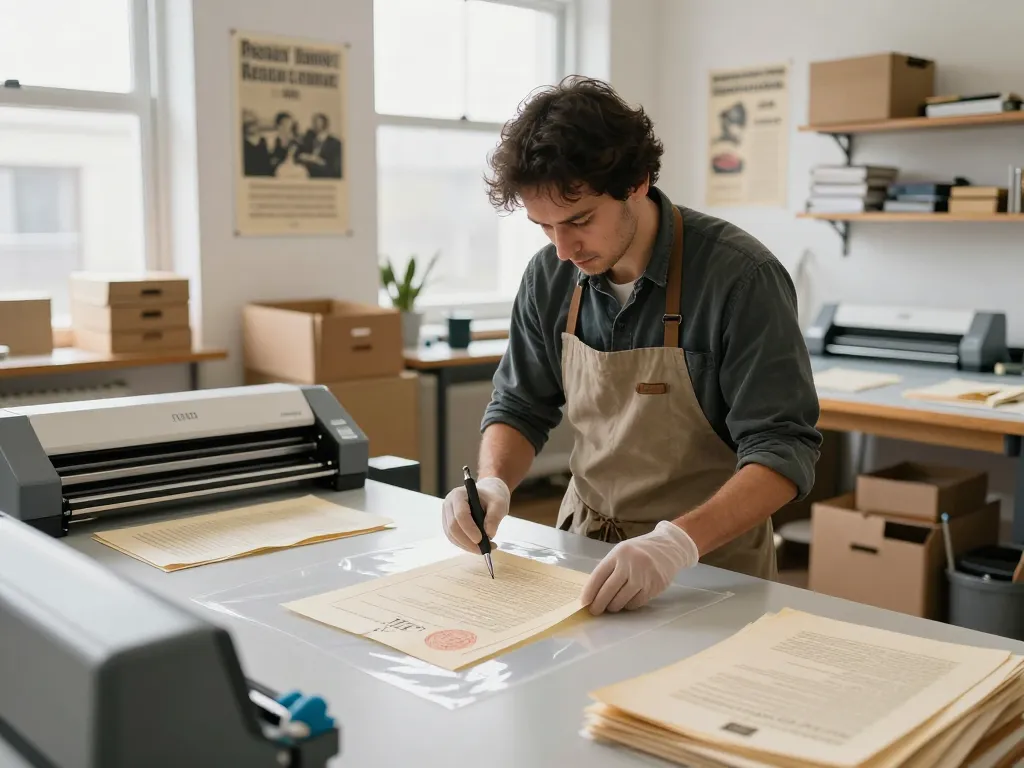
Understanding the Importance of Bóc Ép Plastic
Bóc ép plastic, commonly known as plastic lamination, is a widely practiced method used to enhance the durability and longevity of documents. This process involves enclosing papers in a protective layer of plastic, ensuring they are safeguarded against damage from physical wear, moisture, and other environmental factors. The significance of this practice resonates deeply in various sectors, such as education, administration, and personal archiving, where preserving vital documents is paramount. When exploring options, bóc ép plastic provides comprehensive insights into the best practices for document protection.
What is Bóc Ép Plastic?
Bóc ép plastic is the process of applying a thin layer of plastic to a document to protect it from damage. This encapsulation helps preserve the document’s integrity against moisture, tearing, fading, and other types of degradation. The plastic layer serves both functional and aesthetic purposes, giving documents a polished and professional look while enhancing their durability.
The Benefits of Document Preservation
There are numerous benefits to preserving documents through the bóc ép plastic process, including:
- Protection Against Damage: The plastic layer acts as a shield against spills, dirt, and physical wear, ensuring documents remain intact.
- Longevity: Laminated documents can last significantly longer than their non-laminated counterparts, making them ideal for important records.
- Enhanced Visual Appeal: Laminated documents often appear more vibrant and professional, which is especially important for presentations and marketing materials.
- Easy Maintenance: Cleaning laminated documents is simple; they can be wiped clean without fear of damaging the paper.
Common Uses of Laminated Documents
Plastic lamination is utilized across a variety of industries and professions, including:
- Educational Institutions: Schools and universities use lamination for important documents, certificates, and educational materials to extend their lifespan.
- Business: Companies often laminate brochures, menus, and signage to ensure they withstand heavy usage and maintain a professional appearance.
- Personal Projects: Individuals may laminate family photos, important letters, or even artwork to protect cherished memories.
Traditional vs. Modern Methods of Bóc Ép Plastic
Traditional Methods and Their Limitations
Historically, traditional lamination involved using heat to melt the plastic around documents. While effective, this method is not without its drawbacks. The reliance on high temperatures can lead to document warping, fading of ink, and difficulty in removal if ever needed. Many individuals have experienced the frustration of trying to remove a plastic layer only to find their documents damaged in the process.
Innovative Techniques for Safe Removal
With advancements in technology, newer methods have emerged that allow for safer and more effective lamination and removal processes. These modern techniques include:
- Cold Lamination: This technique uses adhesive without heat, reducing the risk of damaging documents during the lamination process.
- Non-Destructive Removal Technology: Innovative services now offer the ability to remove laminated plastic without harm, ensuring documents remain in pristine condition.
Understanding Heat Effects on Laminated Documents
It is crucial to understand the effects of heat on laminated documents, as this can significantly impact their longevity and condition. Heat can cause adhesives to bond too tightly, making removal nearly impossible without damaging the paper underneath. Understanding the temperatures required for lamination and their potential hazards is vital for anyone looking to protect their documents effectively.
Step-by-Step Guide to Safe Bóc Ép Plastic
Preparation: Gathering Necessary Tools
Before starting the bóc ép plastic process, ensure you have the following tools ready:
- Documents to be laminated
- Plastic lamination sheets
- Heat source (for traditional methods) or cold lamination machine
- Scissors or cutting tool
Executing the Bóc Ép Process Safely
To ensure effective lamination, follow these steps:
- Prepare the documents by ensuring they are clean and free of wrinkles.
- If using heat, set the machine to the appropriate temperature based on the thickness of the plastic.
- Seal the document within the plastic sheet, ensuring it is centered and free from air bubbles.
- Run the document through the laminating machine, maintaining a steady speed.
- Allow the laminated document to cool before handling it if heat was used.
Post-Removal Care for Preserved Documents
After lamination, proper care is essential to maintain the integrity of the documents. Store laminated documents flat, avoid exposure to direct sunlight, and regularly check for any signs of wear or damage.
Challenges in Document Preservation
Addressing Common Misconceptions
Many people mistakenly believe that all lamination methods are universally effective. However, the choice of method can significantly influence the outcome. Understanding the specific needs of your documents is critical to achieving the best results.
Avoiding Damage During Removal
Removing laminated plastic can pose challenges, particularly if improper techniques are used. The key to success lies in using gentle removal methods and considering the technology available for non-destructive removal.
Dealing with Stubborn Adhesives and Residue
Some laminated documents may leave behind adhesive residue upon removal. Utilizing specialized adhesive removers or seeking professional services can help restore documents to their original condition without damage.
Future Trends in Document Preservation (2026 and Beyond)
Emerging Technologies for Bóc Ép Plastic
As we look toward the future, emerging technologies promise to revolutionize the bóc ép plastic process. Innovations in adhesive technology and lamination materials will provide even greater protection and ease of use.
The Role of Environmental Factors
Environmental conditions play a significant role in document preservation. Factors such as humidity and temperature can affect laminated documents, potentially leading to degradation. Understanding and controlling these factors will be crucial for effective document management.
Expert Predictions for Document Preservation Innovations
Industry experts anticipate a shift toward more sustainable materials and processes in document preservation. Greater focus will likely be placed on eco-friendly lamination options that do not compromise the safety and quality of the documents.
What should you know about non-laminated document care?
For documents that are not laminated, care includes keeping them in archival-quality storage, avoiding excessive handling, and utilizing protective covers whenever possible.
How does humidity affect laminated documents?
Excessive humidity can lead to the degradation of the adhesive used in lamination, causing documents to warp or develop mold. Maintaining a stable environment is key to preserving the quality of laminated documents.
Can old documents be safely restored?
Many older documents can be restored, but this often requires professional intervention. Understanding the specific needs of the document and the available restoration techniques is essential for successful outcomes.
What are the best protective measures for stored documents?
The best protective measures include using archival-quality folders, maintaining controlled temperature and humidity levels, and regularly assessing the condition of stored documents.




More Stories
Is rokok88 the Next Big Thing in Digital Marketing Strategies for 2026?
The Definitive Guide to SL Ad Strategies for 2026 Success
Maximizing Efficiency in Business and Consumer Services