





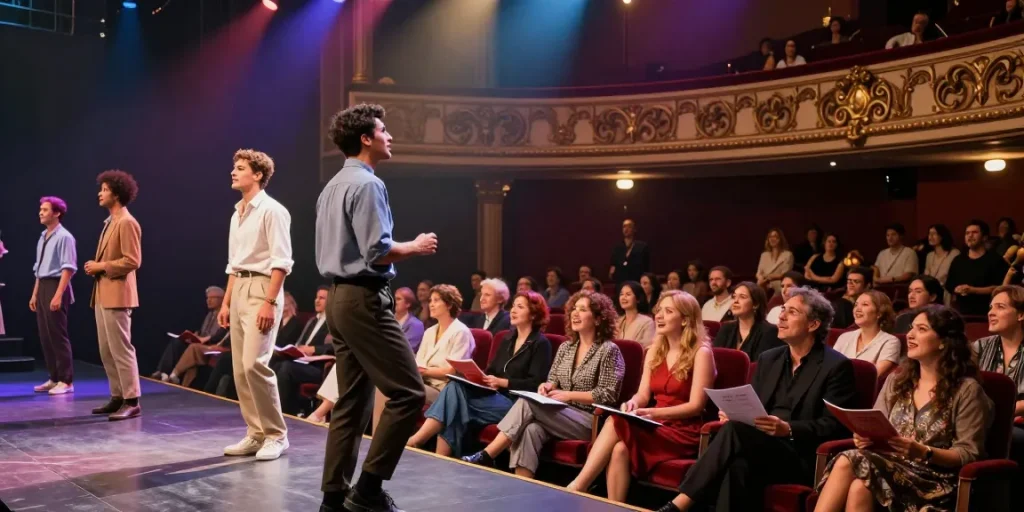
The Evolution of Theatre: A Historical Perspective
Theatre, as an art form, has undergone tremendous transformations over the centuries, evolving from ancient rituals to modern stage productions. Understanding the evolution of theatre helps frame the discussions around contemporary works and performances, reflecting changes in society, technology, and culture. The rokok88 platform provides valuable insights into this journey, shedding light on how historical contexts shaped the narratives we see today.
Tracing the Roots of Modern Theatre
Modern theatre has its roots in ancient Greece, where performances were intertwined with religious ceremonies and community gatherings. The works of playwrights like Aeschylus, Sophocles, and Euripides laid the groundwork for narrative storytelling, character development, and dramatic structure. These elements are still prevalent in contemporary theatre, where the focus often lies in character-driven narratives that resonate with audiences today.
Key Milestones in Theatre Development
- Renaissance (14th-17th century): This period saw the revival of classical ideas and the emergence of professional theatre companies in Europe, leading to the prolific works of Shakespeare and Molière.
- 19th Century Realism: Playwrights like Henrik Ibsen and Anton Chekhov shifted the focus from spectacle to realism, exploring complex social issues and human psychology.
- 20th Century Innovations: The rise of modernism and postmodernism brought experimental theatre, incorporating multimedia, absurdism, and existential themes.
Influential Movements and Their Impact
Each theatre movement brought new perspectives and techniques that reshaped the art form. The absurdist movement, spearheaded by figures like Samuel Beckett, questioned the meaning of existence, while the feminist theatre of the 1970s highlighted underrepresented voices and gender issues. These movements paved the way for ongoing discussions about inclusivity and representation in contemporary performances.
Contemporary Theatre Trends: What to Expect in 2026
As we look toward 2026, theatre is entering an era of innovation where technology and storytelling converge. This evolving landscape reflects societal changes and advances in technology, presenting exciting opportunities for artists and audiences alike.
Innovative Storytelling Techniques
Modern playwrights are increasingly experimenting with narrative structures, employing non-linear storytelling, and immersive experiences that engage the audience beyond passive observation. Productions are blurring the lines between actor and spectator, inviting viewers to participate actively in the unfolding story.
Technological Advancements in Stage Production
From virtual reality to augmented reality, technology is redefining stage production. High-tech visual effects, projection mapping, and interactive set designs are enhancing storytelling, creating captivating environments that transport audiences to new worlds. The merger of technology with traditional performance arts is not just transforming how stories are told but also who can tell them.
Emerging Themes and Social Commentary
Contemporary plays are increasingly addressing urgent social issues such as climate change, racial inequality, and mental health. Theatre has always served as a mirror to society, and today’s pieces often reflect collective anxieties while paving the way for dialogue and change. The depth of these themes enhances the relevance of theatre in today’s cultural discourse.
Exploring Cultural Diversity in Theatre
The global landscape of theatre is rich and diverse, with influences from different cultural backgrounds contributing to a more inclusive art form. Recognizing and celebrating this diversity enriches the theatrical experience and fosters understanding among audiences.
The Role of Global Influences in Modern Plays
Incorporating elements from various cultures creates a tapestry of narratives that resonate across borders. Global influences have given rise to unique storytelling techniques and styles, as artists draw on their cultural heritage to inform their work.
Spotlight on Underrepresented Voices
There is a growing movement to elevate underrepresented voices in theatre, showcasing works by playwrights from diverse backgrounds. This shift not only broadens the scope of narratives presented but also encourages empathy and understanding among audiences, fostering a sense of community.
Cross-Cultural Collaborations and Festivals
Collaborations between theatre companies from different countries are creating vibrant cross-cultural dialogues. International festivals celebrate these partnerships, bringing together artists to share their unique perspectives and creative expressions. Such initiatives are vital in promoting cultural exchange and collaboration in the global arts community.
Impact of Digital Media on Theatre
The rise of digital media has transformed the landscape of theatre, offering both opportunities and challenges. Understanding this impact is crucial for navigating the future of live performances.
Digital Streaming: Opportunities and Challenges
Digital streaming platforms have opened new avenues for theatrical productions, allowing companies to reach wider audiences beyond physical venues. However, this shift also raises questions about the value of live performances and the unique experience they offer. Balancing digital and live theatre is essential for sustaining audience engagement.
Social Media’s Role in Audience Engagement
Social media has become a powerful tool for connecting with audiences, allowing theatre companies to build communities and foster discussions around their productions. Engaging content, behind-the-scenes glimpses, and interactive campaigns can enhance audience involvement and interest in upcoming performances.
Virtual Reality and Immersive Experiences
The incorporation of virtual reality and immersive experiences into theatre is pushing the boundaries of traditional storytelling. These innovations allow audiences to become part of the narrative, providing an unprecedented level of engagement that creates memorable experiences.
Building a Sustainable Theatre Community
To thrive in the ever-evolving world of theatre, building a sustainable community is essential. This involves nurturing local talent, engaging with audiences, and fostering a culture of support.
Strategies for Promoting Local Talent
Supporting local artists and creators is vital for the health of the theatre community. Workshops, mentorship programs, and collaboration opportunities can help emerging talent develop their skills while enriching the local arts scene.
Community Engagement and Outreach Programs
Theatre should serve as a platform for community engagement, addressing local issues and inviting participation from diverse groups. Outreach programs can connect artists with schools and community centers, fostering a love for the arts among younger generations.
Future Prospects for the Theatre Industry
As the theatre industry adapts to changing cultural and technological landscapes, the future looks promising. Embracing innovation, diversity, and community engagement will be paramount in ensuring that theatre remains a vital and celebrated art form for generations to come.
What are the key trends in modern theatre?
Key trends include innovative storytelling techniques, technological integration in stage production, and a focus on social issues and cultural diversity, all of which enhance the relevance of theatre in society.
How has technology influenced theatre productions?
Technology has introduced new ways to tell stories, ranging from advanced staging and lighting to digital streaming and immersive experiences, greatly expanding the reach and engagement potential of theatrical productions.
What role does cultural diversity play in contemporary performances?
Cultural diversity enriches theatre by introducing a variety of perspectives and narratives, making it more inclusive and representative of the world we live in. It fosters empathy and understanding among audiences.
How can local communities support their theatre scenes?
Local communities can support theatre by attending performances, participating in outreach programs, and advocating for funding and resources to ensure the continuation of local arts initiatives.
What is the future of digital streaming for theatre performances?
The future of digital streaming in theatre lies in finding a balance between live experiences and digital offerings, enhancing accessibility while preserving the magic of live performances.



More Stories
Revolutionary AI Porn: Understanding the Impact on Adult Entertainment in 2026
Top 10 Art Movements Shaping Today’s Creative Landscape
Captivating Trends in Arts & Entertainment You Should Know